
Is 2TB SSD Overkill in 2026?
In 2026, for most people, a 2TB SSD is NOT overkill. It’s a practical, value-driven choice that avoids the hassle of running out of space and frequent upgrades. Only very light users will find 2TB unnecessary.
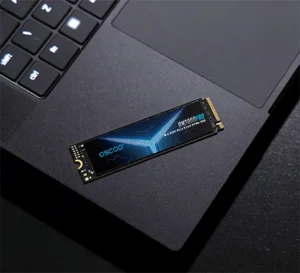
In 2026, for most people, a 2TB SSD is NOT overkill. It’s a practical, value-driven choice that avoids the hassle of running out of space and frequent upgrades. Only very light users will find 2TB unnecessary.
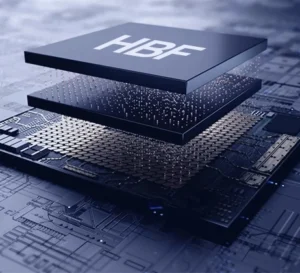
On February 25, 2026, SK hynix and SanDisk held a joint launch event at SanDisk’s headquarters in Milpitas, California, to announce High Bandwidth Flash (HBF)—a next-generation memory architecture built for the AI inference era.
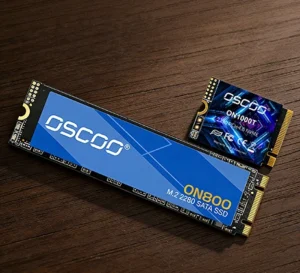
Yes, you can physically install a 2230 M.2 SSD into a 2280 slot. However, it is not a simple plug-and-play process—you need to address key compatibility issues, especially mounting, keying, and protocol support.
Choosing an enterprise SSD in 2026 doesn’t have to be overwhelming. By understanding the market trends, key specifications, workload requirements, and best practices outlined in this guide, you can confidently select a drive that balances performance, reliability, and cost.
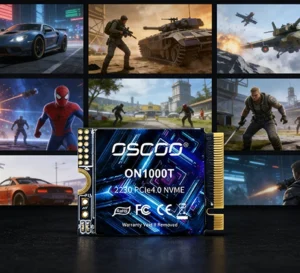
M.2 2230 NVMe SSDs are very good for gaming, especially for handhelds and compact systems. They deliver fast load times, smooth open-world streaming, and nearly identical in-game FPS to full-size drives.
Fill out the form below, and we will be in touch shortly.