Is It Bad to Leave an SSD Unplugged?
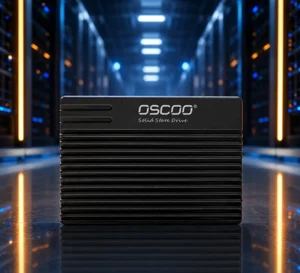
It’s not bad to leave an SSD unplugged for short periods (days to months). However, leaving it unplugged for long periods (more than a year) poses a risk of data loss due to charge leakage in NAND flash memory.
You can safely put a PCIe 4.0 device into a PCIe 3.0 slot. It will work normally without damaging any hardware, but it will operate at PCIe 3.0 speeds instead of its full PCIe 4.0 capability. This is due to PCIe’s built-in backward compatibility
There’s no single “best” OS for SSDs—your optimal choice depends on your use case, hardware, and priorities. For gaming, Windows 11 is unmatched. For Apple devices, macOS Sonoma is seamless and optimized. For performance enthusiasts or custom PCs, Linux offers the most control.
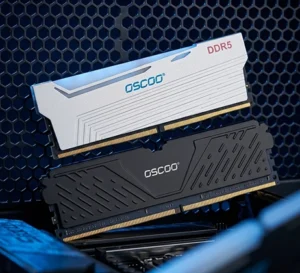
DDR6 will not replace DDR5 in the near future. DDR6 is scheduled to debut for server platforms in 2027, while mainstream desktop and consumer adoption is not expected until 2029–2030. For the next 3–4 years, DDR5 will remain the dominant and most practical memory standard.
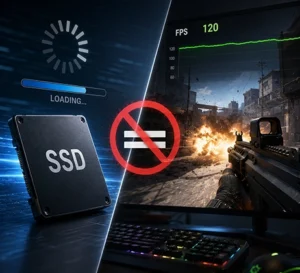
For most people with basic to moderate tech needs, PCIe 5.0 M.2 SSDs are not worth the extra cost. They deliver impressive speed on paper, but the real-world benefit is minimal for everyday use like web browsing, office work, or even casual gaming.
Fill out the form below, and we will be in touch shortly.