For the global memory industry, 2025 is shaping up to be an extraordinary year, especially for Dynamic Random Access Memory (DRAM). Starting in the fourth quarter, the continued rise in DDR contract prices has gone beyond a short-term supply-and-demand mismatch and has evolved into a broadly recognized situation of structural supply tightness across the entire memory supply chain. This trend has not only drawn strong attention within the industry but has also begun to reshape cost structures and pricing strategies for OEMs, brands, and end markets.
According to the latest industry research from UBS, DDR contract prices in the fourth quarter of 2025 are expected to increase by about 35% quarter-on-quarter, far exceeding the range of typical seasonal price adjustments. This scale of increase is well above what the market usually considers normal during standard cycles and indicates that memory manufacturers have gained significantly stronger pricing power in contract negotiations. More importantly, UBS further expects DDR contract prices to rise by another 30% in the first quarter of 2026. This forecast is based on continued supply tightness, low inventory levels, and the fact that downstream customers are locking in supply earlier than usual.
Contract pricing refers to the bulk purchase prices negotiated quarterly between DRAM manufacturers and large customers such as OEMs and major cloud service providers. Compared with spot prices, contract prices better reflect medium- to long-term supply-demand conditions. The sharp rise in contract prices during this period clearly shows that the DDR market is undergoing a deeper structural shift rather than a temporary fluctuation.
Concrete Data Behind the Price Surge
The price increases are not limited to contract pricing. Spot market data also shows a strong upward trend. According to market research, by the end of 2025, the spot price of DDR5 16Gb rose from about USD 4.6 at the end of 2024 to over USD 28, representing an increase of more than 500%. Over the same period, the spot price of DDR4 16Gb climbed from around USD 3.2 to over USD 62, an increase of approximately 1,800%.
Such price movements are extremely rare in historical context and far exceed typical memory industry cycles. At the same time, these increases are already being passed down the supply chain. For example, some market reports indicate that 64GB DDR5 memory kits have risen to around USD 600 in certain retail channels, in some cases even exceeding the price of complete game consoles.
The indirect impact of AI and high-bandwidth memory demand
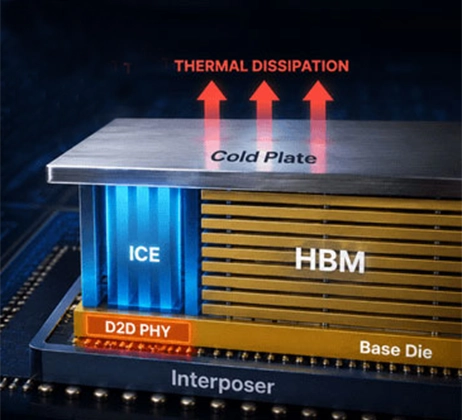
When analyzing the drivers behind rising DDR prices, artificial intelligence is almost impossible to ignore. However, it is important to clarify that AI training and inference do not directly consume large amounts of traditional DDR memory. Instead, they rely primarily on high-bandwidth memory (HBM) and other advanced DRAM products.
That said, AI demand still has a strong indirect impact on the traditional DDR market. According to TrendForce analysis, HBM is expected to account for more than 10% of total DRAM production capacity in 2025, and its selling price is significantly higher than that of standard DDR5. This makes high-end memory products much more attractive from a profit perspective.
As more manufacturing resources, capital, and engineering focus are allocated to higher-margin products, the effective supply of DDR naturally tightens. Even if DDR demand itself remains stable or grows only modestly, reduced supply alone is enough to push prices higher. This structural reallocation of memory capacity is one of the key background factors behind the current rise in DDR contract prices.
Low inventory levels and customer behavior reinforce price pressure
Supply constraints are only part of the story. Downstream purchasing behavior has also amplified the pace of price increases. Current inventory levels across the memory market are historically low. According to UBS data, server DRAM inventories can support only about 11 weeks of demand, while PC and mobile DRAM inventories are down to roughly 9 weeks, and SSD inventories are below 8 weeks. These levels are well below the typical safety range of 12 to 16 weeks.
Under these conditions, OEMs, system integrators, and large cloud customers are increasingly choosing to lock in long-term supply contracts in advance to avoid further price increases or supply disruptions. While this behavior makes sense at an individual company level, it strengthens suppliers’ pricing power and further tightens near-term availability, creating a self-reinforcing cycle of higher prices. Some companies have reportedly extended procurement agreements as far as 2028, signaling that many market participants do not expect supply conditions to normalize quickly.
The reshaping of pricing power among DRAM manufacturers
In this pricing cycle, DRAM manufacturers are not only raising contract prices but are also exercising significantly stronger control over pricing negotiations. Unlike in previous downturns, suppliers are no longer aggressively cutting prices to defend market share. Instead, they are showing greater discipline in supply management and pricing strategy. For example, earlier forecasts suggested that SK hynix might see DDR contract price increases of around 5% quarter-on-quarter in late 2025. However, as supply tightened further, market expectations shifted significantly higher than those initial estimates.
There have also been cases where manufacturers delayed the confirmation of DDR5 contract pricing, which led to additional short-term price increases as market uncertainty grew. These actions reflect a deeper strategic shift: when demand is strong and customers are willing to accept higher prices, suppliers prefer to protect margins rather than pursue volume growth.
responses from PC, server, and end markets
Rising DDR prices do not stop at the memory industry level. Over time, these costs are passed down to system manufacturers and ultimately to end customers. Memory remains a meaningful component of system bill-of-materials costs, especially for high-capacity configurations. As a result, multiple market observers expect higher memory costs to contribute to price increases for PCs, laptops, and other computing devices. Some forecasts suggest that PC end-user prices in the second half of 2026 could be 15% to 20% higher than 2025 levels, driven in part by rising memory and storage costs.
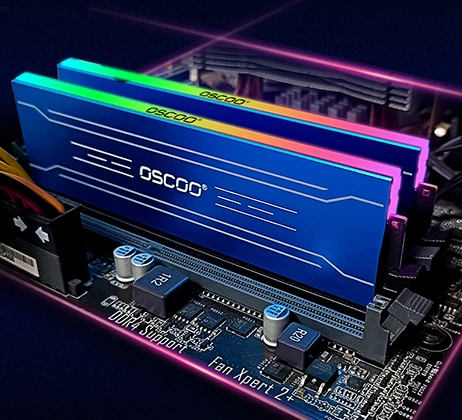
In the DIY and retail markets, consumers are already feeling the pressure. DDR5 memory modules have reached several times their previous retail prices on some platforms, and in certain cases have even become targets of speculative reselling.
Outlook: elevated pricing and a gradual return to balance
While the short-term consensus remains that DDR prices will continue to rise, this does not imply unlimited upside. Over the longer term, new capacity additions, technology transitions, and changes in demand growth will eventually push the market toward a new equilibrium. For now, most industry forecasts agree that meaningful price relief is unlikely before the first half of 2026. This view is based on continued supply tightness, low inventories, and ongoing early procurement behavior by downstream customers. Beyond that point, whether prices peak and begin to decline will depend on how quickly new capacity comes online, how AI and server demand evolves, and whether memory manufacturers choose to reallocate resources back toward traditional DDR products.