From November to December 2025, the tight situation in the global DRAM and DDR market has intensified rapidly. According to the latest information from multiple sources, both contract prices and retail prices have shown an unusually fast increase within a short period of time. Consumer-grade DDR5 memory kits, server DDR5/DDR4 modules, and standard DRAM purchased by OEMs are all following the same trend: insufficient supply, rising prices, and tight stock. This wave of price changes is no longer limited to the high-end server market. It is now spreading across the entire upstream and downstream chain, including PCs, DIY retail, pre-built systems, and motherboards.
Collective Price Surge From Contract Market to Retail
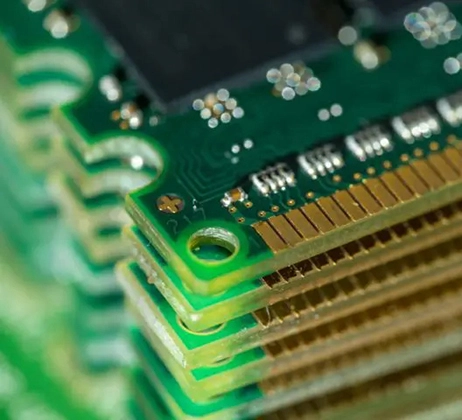
In the past month, DRAM contract prices and retail DDR5 module prices have both grown stronger. Some media reports pointed out that standard DRAM contract prices have risen very rapidly in a short time, and the market price of consumer DDR5 modules has also kept climbing. The price of some 64GB DDR5 kits has already exceeded 600USD, which is several times higher than the mid-year level. The price increase is not only reflected in DRAM chips and modules themselves—PC systems and motherboards are also being pushed to raise their prices. Sales of some branded motherboards are starting to come under pressure. Some retail channels in Japan and North America have even paused separate sales of high-capacity memory to avoid large-scale hoarding. Price-hike expectations are further driving instability in the end market.
AI Demand Takes Over Production Capacity
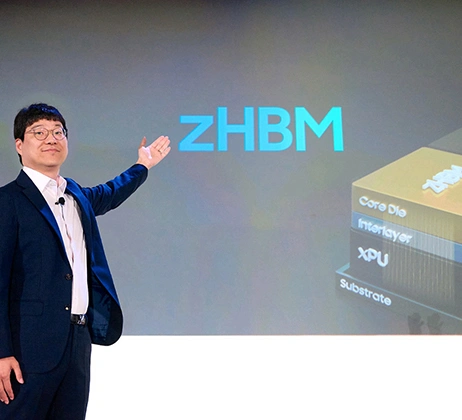
The main force behind the strong volatility in the DRAM market comes from the AI industry. Data-center companies and major cloud providers continue to expand construction of AI training clusters, and the demand for HBM and high-spec server DRAM has grown exponentially over the past six months. To satisfy customers with higher profit margins and more urgent needs, suppliers such as Samsung and SK hynix have begun giving priority to data-center orders. As a result, DRAM production capacity for traditional PC and consumer markets is being systematically squeezed. At the same time, major memory makers remain cautious about expanding production. After suffering severe oversupply cycles and price crashes in the past, delayed expansion and a “price-stability-first” strategy have become the industry consensus in 2024–2025. Suppliers are unwilling to expand aggressively, while demand is suddenly accelerating—this mismatch ultimately creates a short-term supply shortage and a strong jump in prices.
Actions from Major Manufacturers
With tight supply and strong demand, several big manufacturers have taken more aggressive pricing actions in the past month. Multiple media outlets reported that Samsung plans to raise the shipment price of some DRAM products by 30%–60% and has paused contract negotiations with certain customers to re-set prices based on the latest market situation. SK hynix and Micron are also believed to be strengthening their priority supply strategy toward server and AI customers, which further increases the shortage in the consumer market.
Channel partners and OEMs must now adjust their inventory management strategies quickly. System integrator CyberPowerPC has publicly admitted that rising DDR5 costs are putting pressure on their manufacturing cost structure, forcing them to raise prices on some pre-built systems. Some retailers have also adopted purchase limits or required bundled sales to balance inventory and demand.
High Prices May Continue as Consumer Demand Weakens
The supply-demand imbalance is spreading quickly to the consumer market. Retail channels in multiple countries have seen DDR5 prices rise for several consecutive weeks, and some mainstream DDR5 kits have broken through price ranges previously considered impossible to return to. In some regions, retailers are even limiting the number of units that can be purchased at one time. Pre-built PC brands and system integrators are also affected—some companies have already started raising prices on their finished systems, and motherboard sales are dropping because memory has become more expensive.
As prices rise quickly, PC and DIY demand is being significantly suppressed. Some consumers are delaying upgrades or new builds, causing the PC market—which usually grows toward the year-end— to decline instead.
However, in the server and AI training fields, demand remains very strong and cannot be replaced in the short term. The priority of production capacity for enterprise-grade DDR5 and high-bandwidth memory continues to increase, locking in supply for the coming months and even years. This structural shift means that the recovery of the consumer DRAM market will experience a more obvious delay.
Future Outlook
Overall, the DRAM and DDR market may continue to remain tight for some time. Current capital expenditure from manufacturers focuses on more advanced processes and high-value products, rather than expanding production capacity for traditional DRAM. Because of this, the supply shortage may last throughout 2025. In the mid-term, if AI infrastructure continues to expand while suppliers remain cautious, prices will stay at high levels and may form what the industry calls a “super-cycle,” lasting until 2027–2028. The long-term trend will still depend on factors such as government subsidy policies, the speed of factory construction, and geopolitical trade conditions. If new fabs in Korea, Taiwan, and the U.S. begin mass production smoothly in 2026–2027, the global DRAM market may finally see real structural relief.