RAM prices are unlikely to drop sharply in 2027. 服务器内存 and high-end HBM, in particular, are expected to remain expensive. For ordinary consumers, DDR5 prices may ease in the second half of 2027, but any decline is more likely to be modest rather than a return to the low prices seen before 2025. A clear improvement in supply and demand is more likely to come after 2028.
Key Forecasts from Industry Organizations
Several global memory research firms and investment banks have shared their views on DRAM prices in 2027. The overall consensus is that tight memory supply and demand will continue, and a turning point in prices will most likely be delayed until 2028.
| Institution | Key View |
|---|---|
| TrendForce | Server DRAM contract prices will continue to rise from the second half of 2026 through the second half of 2027, with the rate of increase gradually narrowing. HBM prices will continue to rise in 2027. |
| BofA Securities | Average DRAM prices will remain high in 2027. A modest decline is not expected until 2028. This will be a mild adjustment, not a sharp drop. |
| JPMorgan | DRAM demand growth will exceed supply growth in 2027. The supply-demand gap will persist and support memory prices. |
| Bernstein | DRAM supply and demand will remain tight throughout 2027. The memory cycle is not expected to gradually return to normal until 2028. |
Why Memory Prices Are Unlikely to Fall Broadly in 2027
The main factor determining memory prices is the global supply and demand balance for DRAM. The main reason memory prices are expected to stay high in 2027, without broad price cuts, is that AI computing infrastructure has fundamentally changed the structure of global memory demand. At the same time, expanding production capacity takes a long time, and meaningful new supply is coming online far too slowly. This will leave the market structurally imbalanced throughout the year, with strong demand growth and insufficient supply.
Demand Side: AI Drives a Surge in Demand and Widens the Structural Shortage
2027 is expected to be the year when supply and demand pressures are most severe in the current memory cycle. Global DRAM demand may grow rapidly, and demand may shift decisively from traditional consumer electronics to AI data centers. This would break with the past pattern in which PCs and smartphones largely shaped the supply-demand balance.
According to the latest industry data from JPMorgan, global demand for DRAM bit capacity is expected to grow by as much as 31% in 2027, while total industry supply is expected to grow by only 24.4%. The 7-percentage-point gap between demand and supply growth would be the largest shortfall in the 2026–2028 three-year period. Goldman Sachs estimates further support this view. The overall global DRAM supply-demand gap is projected to reach 5.9% in 2027, meaning total market demand will far exceed effective supply and the industry will face a clear shortage. The SK Group has also publicly forecast that global demand for AI semiconductors could rise by 60%–100% in 2027 compared with 2026, while demand across the overall memory market could grow by 50%–60%. This would continue to push the upper limit of industry demand higher.
As the structure of demand changes, demand for traditional consumer memory continues to shrink, while AI memory for servers takes the leading role. In 2025, servers accounted for about 39% of global DRAM demand, while the share from PCs was relatively high. By 2027, the server share of DRAM demand is expected to surge to 67%, while the PC share is projected to fall sharply to around 7%. The shares from smartphones, consumer electronics, and other traditional uses are also expected to keep declining. A single AI server uses far more memory than a traditional device. A conventional general-purpose server typically has 128GB–256GB of memory, while a mainstream AI training or inference server commonly has 1TB–2TB. Some high-end computing servers have even more. Memory demand per device is therefore several times higher, consuming huge amounts of DRAM capacity.
Long-term orders from major cloud providers further reduce supply in the spot market. To ensure a stable build-out of AI computing infrastructure, leading global cloud service providers such as Amazon, Microsoft, Google, and Alibaba Cloud have signed large long-term agreements (LTAs), locking in key production capacity for all of 2027 in advance. Industry data shows that more than 75% of the 2027 DRAM capacity of the three major manufacturers—Micron, SK hynix, and Samsung—has already been reserved by large customers through long-term contracts. The supply of general-purpose memory available on the spot market is extremely limited. This supports a price floor in the market and further reduces the chance of major price cuts.
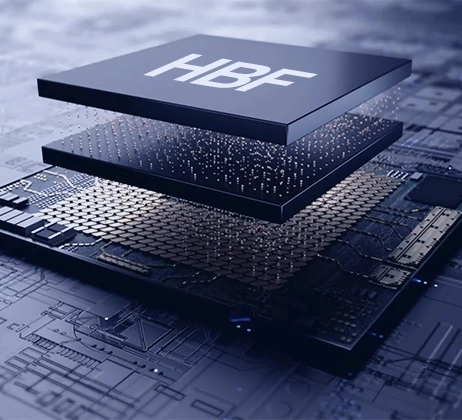
HBM production takes capacity away from general-purpose DRAM and worsens the structural shortage. To meet the computing needs of AI chips, the three major memory manufacturers are directing much more wafer capacity toward high-bandwidth memory (HBM). HBM is expected to account for 30% of all DRAM wafer starts worldwide in 2027. Unlike standard DRAM, HBM has a complex manufacturing process and uses far more wafers. For the same capacity, HBM consumes three times as many wafers as general-purpose DRAM. As a result, a large amount of wafer capacity is occupied but cannot be turned into ordinary DDR4 and DDR5 memory available on the market. In 2027, HBM is expected to contribute only 13% of total effective DRAM storage capacity. This means a large amount of capacity is used less efficiently, further widening the supply-demand gap for general-purpose consumer and standard server memory.
Supply Side: Expansion Takes Time, and New Capacity Comes Online Too Slowly
Compared with the explosive growth in demand for AI memory, global DRAM capacity is expanding far too slowly. Because the industry requires heavy investment and long lead times, it will not be able to provide enough supply in 2027, leaving no production-capacity basis for a broad price decline.
First, building memory chip capacity naturally takes a long time. The full cycle of building a new DRAM factory, purchasing equipment, setting up production lines, and ramping up manufacturing takes 18–24 months. Capacity cannot be brought online quickly simply by investing money in the short term. Samsung, SK hynix, and Micron invested a combined total of more than US$120 billion in capital expenditure to expand capacity in 2025–2026. However, equipment delivery, yield improvement, and production-line setup mean the new capacity cannot be released immediately. Most of the new capacity will only begin limited production in the second half of 2027. New capacity capable of supplying the market at scale and in large volumes is not expected to be fully available until 2028.
Second, manufacturers are taking a cautious approach to expansion rather than aggressively increasing output. Unlike previous cycles, when production was cut sharply during downturns and expanded aggressively during peaks, the three major manufacturers have been measured and gradual in their capacity expansion during the current memory upcycle. They have not expanded blindly on a large scale. The main reasons are that high-end memory technology changes quickly and equipment is extremely expensive. Manufacturers also prioritize high-margin HBM and high-end server memory, and have little incentive to expand lower-margin general-purpose consumer memory. As a result, effective industry supply continues to grow slowly. Global DRAM supply coverage was only 79% in 2026. Although it may improve slightly in 2027, it is still expected to remain below the 100% supply-demand balance level for the year, leaving the market undersupplied.
Finally, capacity allocation is heavily skewed, continuing to squeeze the consumer market. Manufacturers follow a “high-margin products first” principle, directing most mature capacity and high-quality wafers to high-value products such as AI servers and HBM. DRAM capacity allocated to PCs, laptops, and consumer DIY markets continues to shrink. Even if total capacity grows slightly in 2027, most new capacity will go to the high-end enterprise market. The increase in effective supply of general-purpose consumer memory will be very limited, so it will not be enough to drive a major price drop. Chinese manufacturers such as CXMT are also expanding capacity, but their overall capacity remains far below that of the three major overseas manufacturers. They can ease pressure in the consumer market to a limited extent, but cannot reverse the industry’s overall tight supply-demand balance.
Prices Will Diverge Across Memory Types
Although RAM prices are unlikely to fall sharply in 2027, different types of memory will follow very different price trends, so they should not be treated as one category.
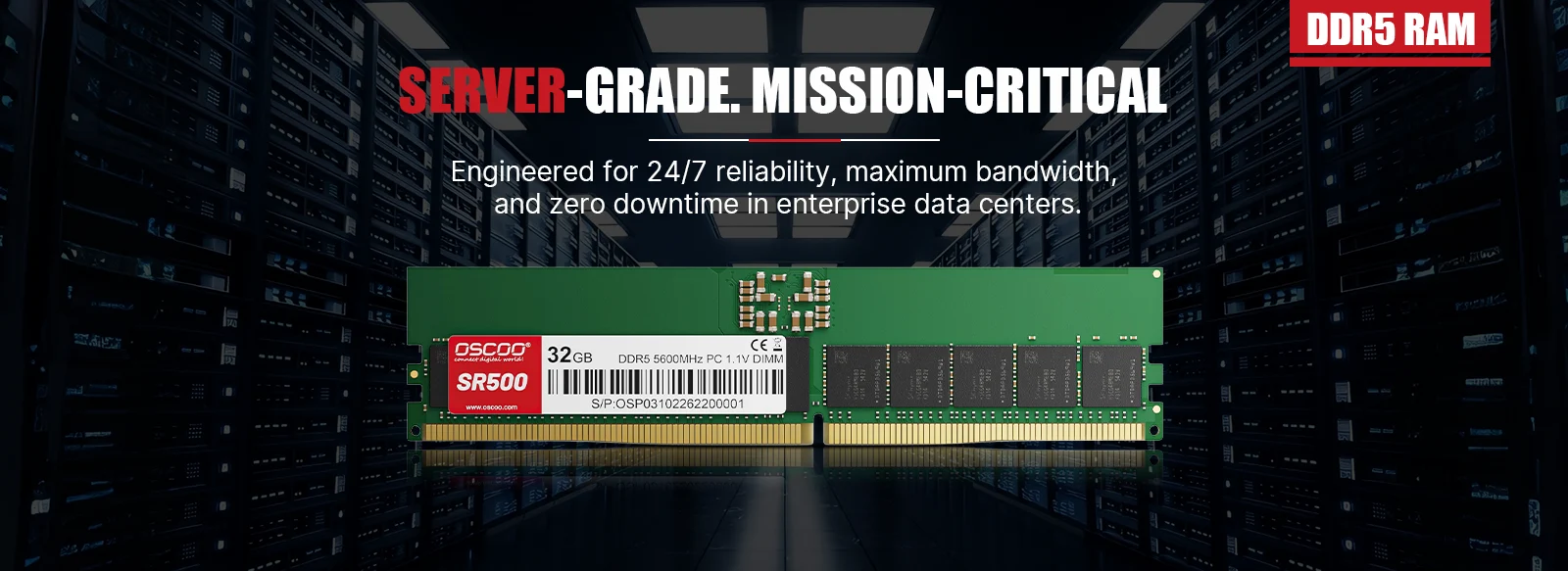
- Server Memory and HBM: The Most Resilient Prices. Demand will continue to be driven by AI computing infrastructure. Manufacturers will prioritize orders from cloud providers, and long-term contracts will support prices, making price cuts highly unlikely. HBM prices could still rise by 70%–140% in 2027. Contract prices for high-end server DRAM are expected to edge up each quarter and fluctuate at high levels.
- Consumer DDR5 Memory: The Only Category with Potential for a Modest Price Drop. Manufacturers allocate limited capacity to the consumer market, but continued expansion by domestic DRAM makers will add more memory chips to consumer supply and may lead to a small price decline. Even so, prices will remain high by historical standards and will not return to the low levels seen before 2025.
Key Factors That Could Change the Price Trend
The high-price outlook above is based on the baseline scenario reflected in industry consensus at the end of 2026. However, memory prices in 2027 are not set in stone. Four key factors could significantly change the size and timing of price increases or declines. They could affect the market through four areas: demand, supply, trading rules, and the external environment. These are also important signals for ordinary users and hardware industry professionals to watch for possible turning points.
AI Computing Demand Falls Short of Expectations
The main driver of the current memory price increases is the expansion of global AI computing infrastructure. If growth in the AI industry slows, it could directly undermine the logic behind current high prices. The industry currently expects demand for AI semiconductors to rise by as much as 60%–100% in 2027, while overall memory demand is expected to grow by more than 50%. These expectations are already very high, leaving little room for disappointment. If major technology companies cut capital spending, delay purchases of AI servers, or slow the rollout of new large AI models, the main source of additional demand for server DRAM could quickly shrink.
In that case, the DRAM supply-demand gap in 2027 could narrow quickly or even briefly turn into a surplus. Prices for server memory and HBM, which had been rising steadily, would likely stop rising and begin to fall first. This could then lead to larger price cuts for consumer memory. This is the main scenario in which memory prices could fall more than expected in 2027. On the other hand, if AI inference and AI agent applications are widely adopted and demand for computing power grows faster than expected, memory prices will rise further.
Chinese Manufacturers Bring Capacity Online Faster Than Expected
Global memory production capacity is currently dominated by Samsung, SK hynix, and Micron. These manufacturers prioritize high-end capacity, putting long-term pressure on the supply of consumer memory. Continued expansion by China’s CXMT may be the only major source of additional supply for consumer DDR5 memory in 2027. Under current plans, CXMT is expected to keep ramping up its monthly wafer capacity in 2027. Together with companies such as GigaDevice increasing their purchases of outsourced manufacturing, this should steadily raise DRAM chip shipments and help fill the consumer market’s supply gap.
If Chinese manufacturers ramp up capacity faster than expected and improve yields quickly, the increase in consumer DDR5 supply in 2027 could be much larger than the industry expects. This could break the allocation advantage held by other manufacturers and bring larger price cuts to consumer memory sooner. However, this factor would affect only memory for consumer DIY systems, PCs, and laptops. It would not affect server DRAM or HBM prices and would not change the high-price outlook for high-end memory.
Long-Term Supply Agreements Anchor Prices in Both Directions
Long-term supply agreements (LTAs) are becoming widespread across the global memory industry in 2026–2027. The three major manufacturers have already tied 50%–70% of their DRAM shipments to long-term contracts, while major cloud providers have secured more than 75% of 2027 capacity. This trading system has fundamentally changed how memory is priced. Long-term contracts commonly include price floors and ceilings, creating firm limits on the price range.
On the upside, contract price ceilings can curb irrational price surges and prevent extreme spikes like those seen in 2021. This should make memory price increases in 2027 gradually smaller and more stable. On the downside, contract price floors establish a firm bottom for the market. Even if spot-market demand weakens temporarily, manufacturers are unlikely to cut prices sharply to clear inventory, preventing a sudden collapse in memory prices. In simple terms, long-term contracts are moving the memory market into a “price stabilization phase” in 2027. They greatly limit the scope for extreme rises and falls, leaving prices mostly high with only modest fluctuations.
Changes in Geopolitical Trade and Industrial Policy
Global DRAM capacity is heavily concentrated in South Korea, the United States, and China. Changes in international trade rules, export controls, and industrial support policies can directly disrupt the global distribution of capacity and supply schedules, causing temporary price fluctuations. For example, if overseas export controls related to memory become stricter, the flow of advanced DRAM and HBM equipment and technology could be restricted. This would slow capacity ramp-ups at manufacturers, worsen supply shortages, and push memory prices higher. If controls are eased to a reasonable extent, capacity could come online faster and supply-demand pressure could ease.
Buying Advice for Ordinary Consumers
Short-Term Upgrade: If you already have a serious memory shortage, there is no need to wait until 2027. The potential for a modest price drop in consumer memory is limited, so waiting is unlikely to offer much benefit.
Planning to Build a PC in 2027: Do not expect memory prices to plunge. You can buy consumer DDR5 in stages during sales. Businesses purchasing server memory should secure supply channels in advance to reduce exposure to price fluctuations.
Avoid Stockpiling Large Quantities: Memory is an electronic component, and long-term storage carries a risk of aging. Prices could also fall if AI demand later turns out to be weaker than expected.